
|
|
|
Oxford West and Abingdon


|

|
John Patten (Retiring)
|

|
19,983
|

|
12,361
|

|
26,268
|

|
0
|

|
1,326
|

|
|
|
|

|

|
Oxford West and Abingdon
|

|
27,630
|

|
9,642
|

|
21,408
|

|
0
|

|
1,069
|
|
|
Conservative
|
|
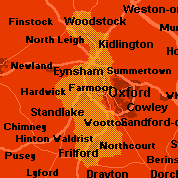
In one of the most highly educated and sophisticated constituencies in the country, there was a clear example of tactical voting at the 1992 Election. In the neighbouring seat of Oxford East, Labour advanced by over 7 per cent of the vote and increased their majority to 7,500. But in Oxford West and Abingdon, the constituency that includes the heart of the university and the donnish residential area of North Oxford, along with working-class segments in south and west Oxford and the independent town of Abingdon, the Labour share actually fell. The Liberal Democrats were clearly perceived as the main challengers to the Conservative MP (and at that time Home Office Minister) John Patten. The voters pushed them to just 3,539 votes behind Patten at a time when the Conservatives were returned to government with an overall majority in the Commons.
There are minor boundary changes that might slightly help the Conservatives, now championed by Laurence Harris following John Patten's retirement, but the critical question is whether the tactical voting which so clearly occurred last time will be repeated. If it is, then the Liberal Democrat Evan Harris (no relation) should make a notable gain in this prestigious seat. If not, and the Labour vote increases substantially in the light of national politics, the Tories will probably escape.
|
|
|

|

|

|

|

|

|
|

|
4,178
|
10.63
|
9.03
|
118
|
|

|
7,818
|
19.88
|
11.17
|
178
|
|

|
4,832
|
12.29
|
11.25
|
109
|
|

|
7,695
|
19.57
|
14.70
|
133
|
|

|
5,750
|
14.62
|
10.45
|
140
|
|

|
828
|
2.11
|
2.81
|
75
|
|

|
3,038
|
7.73
|
8.01
|
96
|
|

|
2,478
|
6.30
|
15.25
|
41
|
|

|
775
|
1.97
|
7.13
|
28
|
|

|
243
|
0.62
|
10.17
|
6
|
|
|
