
|
|
|
Aberavon


|

|
gain
from Labour
|

|
John Morris
|

|
0 ( 0.0%)
|

|
2,835 ( 7.9%)
|

|
25,650 (71.3%)
|

|
4,079 (11.3%)
|

|
2,088 ( 5.8%)
|

|
1,311 ( 3.6%)
|

|
|

|
50,025
|

|
35,963 (71.9%)
|


|
John Morris
|

|
Aberavon
|

|
21,310 (53.2%)
|

|
5,567 (13.9%)
|

|
26,877 (67.1%)
|

|
4,999 (12.5%)
|

|
1,919 ( 4.8%)
|

|
707 ( 1.8%)
|
|
|
Labour
|

|
52,038
|

|
40,069 (77.0%)
|
|


|
-6.0%
|

|
+4.2%
|

|
-1.1%
|

|
+1.0%
|

|
+1.9%
|

|
-3.9%
|

|
-5.1%
|
|
|
|
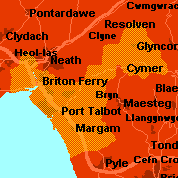
Historically best known for its steel industry, which no longer dominates local employment as much as formerly, the Aberavon seat is centred on the industrial town of Port Talbot, and reaches out to the east to touch on the traditional South Wales valleys. One of the most working class of Welsh seats and with relatively few Welsh speakers for the western side of industrial South Wales, Aberavon is extremely safe for Labour.
|
|

|

|

|

|

|
|

|
4
|
0.01
|
9.03
|
0
|
|

|
1,687
|
5.99
|
11.17
|
54
|
|

|
3,169
|
11.26
|
11.25
|
100
|
|

|
3,810
|
13.53
|
14.70
|
92
|
|

|
0
|
0.00
|
10.45
|
0
|
|

|
45
|
0.16
|
2.81
|
6
|
|

|
1,230
|
4.37
|
8.01
|
55
|
|

|
11,882
|
42.20
|
15.25
|
277
|
|

|
5,501
|
19.54
|
7.13
|
274
|
|

|
826
|
2.93
|
10.17
|
29
|
|
|


