
|
|
|

|
gain
from Labour
|

|
Anne Campbell
|

|
0 ( 0.0%)
|

|
13,299 (25.9%)
|

|
27,436 (53.4%)
|

|
8,287 (16.1%)
|

|
0 ( 0.0%)
|

|
2,317 ( 4.5%)
|

|
|

|
71,669
|

|
51,339 (71.6%)
|



|
Anne Campbell
|

|
Cambridge
|

|
580 ( 1.1%)
|

|
19,459 (38.5%)
|

|
20,039 (39.7%)
|

|
10,037 (19.9%)
|

|
0 ( 0.0%)
|

|
978 ( 1.9%)
|
|
|
Labour
|

|
68,976
|

|
50,513 (73.2%)
|
|


|
-12.6%
|

|
+13.8%
|

|
-3.7%
|

|
+0.0%
|

|
+2.6%
|

|
+3.9%
|

|
-1.6%
|
|

|
|
|
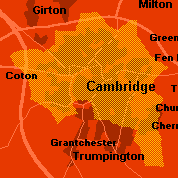
One of Labour's most prestigious gains at the 1992 general election was at Cambridge, famed not only for its ancient university but also as a substantial East Anglian town of 100,000 people - almost exactly the right size for a parliamentary constituency. Unfortunately for the Conservatives, the previous round of boundary changes in 1983 took two of their best wards (Trumpington and Queen Edith's) from the southern edge of the town. They may well have made the difference in 1992, when Anne Campbell won by only 580 votes. There are no boundary changes this time.
Having made the breakthrough, in a city where Labour have rarely managed to win the parliamentary seat, they must expect to strengthen their position next time. The Conservatives have almost been wiped off the city council, and morale in the party locally is rumoured to be low.
|
|
|

|

|

|

|

|

|
|

|
1,628
|
4.32
|
9.03
|
48
|
|

|
6,376
|
16.92
|
11.17
|
151
|
|

|
3,504
|
9.30
|
11.25
|
83
|
|

|
3,406
|
9.04
|
14.70
|
61
|
|

|
9,137
|
24.24
|
10.45
|
232
|
|

|
56
|
0.15
|
2.81
|
5
|
|

|
3,792
|
10.06
|
8.01
|
126
|
|

|
5,997
|
15.91
|
15.25
|
104
|
|

|
1,910
|
5.07
|
7.13
|
71
|
|

|
251
|
0.67
|
10.17
|
7
|
|
|

