
|
|
|
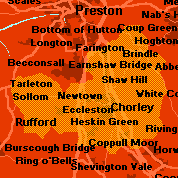
Chorley


|

|
gain
from Conservative
|

|
Den Dover
|

|
0 ( 0.0%)
|

|
20,737 (35.9%)
|

|
30,607 (53.0%)
|

|
4,900 ( 8.5%)
|

|
0 ( 0.0%)
|

|
1,462 ( 2.5%)
|

|
|

|
74,387
|

|
57,706 (77.6%)
|


|
Den Dover
|

|
Chorley
|

|
2,524 ( 4.2%)
|

|
27,752 (45.8%)
|

|
25,228 (41.6%)
|

|
7,249 (12.0%)
|

|
0 ( 0.0%)
|

|
373 ( 0.6%)
|
|
|
Conservative
|

|
73,536
|

|
60,602 (82.4%)
|
|


|
-9.9%
|

|
+11.4%
|

|
-3.5%
|

|
+0.0%
|

|
+1.9%
|

|
+1.2%
|

|
-4.8%
|
|

|
|
|
In the 1970s Chorley was one of a group of Lancashire marginals that tended to swing with the tide at general elections, being won by the Conservatives in 1970 and by Labour in 1974. In 1979, as Mrs Thatcher came to power, Den Dover regained it for the Tories, and he has held it ever since. Its result was still very close to the national average in 1992 (Conservative majority: 4,246), but for the 1997 contest the Conservative position is weakened somewhat by the removal of two rural wards, Parbold and Wrightington, to the West Lancashire constituency.
As in so many other seats, the contest in this marginal is between a mainly Labour supporting town (Chorley) and more Conservative countryside. The reduction of the latter element means that Labour will now only need a swing of under 3 per cent to register their first victory in the Chorley seat since 1974 - which is when they last won a general election.
|
|
|

|

|

|

|

|

|
|

|
3,718
|
9.04
|
9.03
|
100
|
|

|
2,650
|
6.44
|
11.17
|
58
|
|

|
9,714
|
23.62
|
11.25
|
210
|
|

|
10,309
|
25.06
|
14.70
|
170
|
|

|
159
|
0.39
|
10.45
|
4
|
|

|
178
|
0.43
|
2.81
|
15
|
|

|
1,773
|
4.31
|
8.01
|
54
|
|

|
6,292
|
15.30
|
15.25
|
100
|
|

|
3,317
|
8.06
|
7.13
|
113
|
|

|
2,688
|
6.53
|
10.17
|
64
|
|
|
