
|
|
|
Dorset Mid and Poole North


|

|
gain
from Conservative
|

|
NEW SEAT
|

|
0 ( 0.0%)
|

|
20,632 (40.7%)
|

|
8,014 (15.8%)
|

|
19,951 (39.3%)
|

|
0 ( 0.0%)
|

|
2,136 ( 4.2%)
|

|
|

|
67,049
|

|
50,733 (75.7%)
|


|
NEW SEAT
|

|
NEW SEAT
|

|
6,054 (12.1%)
|

|
24,999 (50.1%)
|

|
5,959 (11.9%)
|

|
18,945 (38.0%)
|

|
0 ( 0.0%)
|

|
0 ( 0.0%)
|
|
|
Conservative
|

|
64,833
|

|
49,903 (77.0%)
|
|


|
-9.4%
|

|
+3.9%
|

|
+1.4%
|

|
+0.0%
|

|
+4.2%
|

|
+3.4%
|

|
-1.3%
|
|

|
|
|
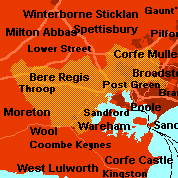
The south coast county of Dorset's population growth in the 1980s entitled it to an eighth and additional seat after the 1995 parliamentary boundary review, and this is it. After some arguments in the commission's enquiry process concerning the name of the seat, this unwieldy and inelegant but appropriate enough description was recommended.
One of the two main sources of voters for this extra constituency is the borough of Poole, which donates five wards and some 40,000 electors, in areas such as Broadstone and Canford. These affluent and attractive inland residential areas of North Poole tend to vote Liberal Democrat in local elections but Conservative nationally.
The other main source is 'Mid Dorset', such as Wareham, Corfe Mullen and the Lytchetts. Again the Liberal Democrats harbour hopes here, and indeed the notional figures for how the seat would have voted if it had existed in 1992 suggest that the Conservatives might have been only 6,000 votes ahead, requiring a swing of just over 6 per cent. This would be a surprise gain, however, and Mid Dorset and North Poole is probably most likely to return an extra Conservative to Westminster.
|
|
|

|

|

|

|

|

|
|

|
5,058
|
14.00
|
9.03
|
155
|
|

|
7,116
|
19.70
|
11.17
|
176
|
|

|
3,701
|
10.24
|
11.25
|
91
|
|

|
10,680
|
29.56
|
14.70
|
201
|
|

|
1,810
|
5.01
|
10.45
|
48
|
|

|
644
|
1.78
|
2.81
|
63
|
|

|
1,907
|
5.28
|
8.01
|
66
|
|

|
3,920
|
10.85
|
15.25
|
71
|
|

|
775
|
2.15
|
7.13
|
30
|
|

|
378
|
1.05
|
10.17
|
10
|
|
|
