
|
|
|
Aberdeen Central


|

|
gain
from Labour
|

|
NEW SEAT
|

|
0 ( 0.0%)
|

|
6,944 (19.5%)
|

|
17,745 (49.8%)
|

|
4,714 (13.2%)
|

|
5,767 (16.2%)
|

|
446 ( 1.3%)
|

|
|

|
54,257
|

|
35,616 (65.6%)
|


|
NEW SEAT
|

|
NEW SEAT
|

|
5,397 (14.3%)
|

|
10,872 (28.8%)
|

|
16,269 (43.1%)
|

|
3,985 (10.6%)
|

|
6,636 (17.6%)
|

|
0 ( 0.0%)
|
|
|
Labour
|

|
55,882
|

|
37,762 (67.6%)
|
|


|
-9.3%
|

|
+6.7%
|

|
+2.7%
|

|
-1.4%
|

|
+1.3%
|

|
-2.9%
|

|
-1.9%
|
|

|
|
|
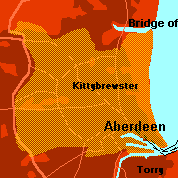
There have been major boundary changes in NE Scotland in the most recent review, and at first sight it looks as though Aberdeen's existing allocation of seats has been increased from two to three. In fact although three seats bear Aberdeen's name, both the new North and South include areas which are actually outside the city boundaries. The only constituency that lies entirely within Aberdeen itself is Central.
It takes its electorate more or less equally from the former Aberdeen North and South. In 1992 North was won by Labour, South by the Conservatives - so who will win the brand-new Central?
It should be remembered that Labour won North, which is dominated by large council estates, by 9,000 from the SNP with the Tories third. On the other hand the Conservatives only won the more middle-class South with its attractive residential areas by 1,000 from Labour. The upshot is clear. Labour is always likely to be a clear favourite in Aberdeen Central, the heart of the granite city.
|
|
|

|

|

|

|

|

|
|

|
1,347
|
4.52
|
9.03
|
50
|
|

|
901
|
3.02
|
11.17
|
27
|
|

|
1,523
|
5.11
|
11.25
|
45
|
|

|
124
|
0.42
|
14.70
|
3
|
|

|
8,821
|
29.61
|
10.45
|
283
|
|

|
124
|
0.42
|
2.81
|
15
|
|

|
8,509
|
28.56
|
8.01
|
357
|
|

|
1,448
|
4.86
|
15.25
|
32
|
|

|
439
|
1.47
|
7.13
|
21
|
|

|
6,553
|
22.00
|
10.17
|
216
|
|
|
