
|
|
|
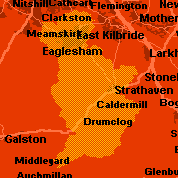
East Kilbride


|

|
gain
from Labour
|

|
Adam Ingram
|

|
0 ( 0.0%)
|

|
5,863 (12.0%)
|

|
27,584 (56.5%)
|

|
3,527 ( 7.2%)
|

|
10,200 (20.9%)
|

|
1,622 ( 3.3%)
|

|
|

|
65,229
|

|
48,796 (74.8%)
|


|
Adam Ingram
|

|
East Kilbride
|

|
11,940 (23.8%)
|

|
9,365 (18.6%)
|

|
23,795 (47.4%)
|

|
5,221 (10.4%)
|

|
11,855 (23.6%)
|

|
0 ( 0.0%)
|
|
|
Labour
|

|
63,525
|

|
50,236 (79.1%)
|
|


|
-6.6%
|

|
+9.2%
|

|
-3.2%
|

|
-2.7%
|

|
+3.3%
|

|
+2.7%
|

|
-4.3%
|
|

|
|
|
It has been suggested that Scottish New Town seats, such as East Kilbride to the south of Glasgow, display more electoral volatility than is found in more stable and traditional Scottish industrial constituencies. The suggestion seems to be that uprooting communities to resettle them in New Towns, also weakens traditional political affiliations. There may be some truth in this, and such areas, including East Kilbride, saw some of the strongest SNP advances in 1992. However, Labour traditions remain strong enough in such seats, including here, that they remain generally safe for Labour.
|
|

|

|

|

|

|
|

|
1,741
|
4.91
|
9.03
|
54
|
|

|
173
|
0.49
|
11.17
|
4
|
|

|
1,505
|
4.25
|
11.25
|
38
|
|

|
10,216
|
28.84
|
14.70
|
196
|
|

|
725
|
2.05
|
10.45
|
20
|
|

|
642
|
1.81
|
2.81
|
64
|
|

|
4,362
|
12.31
|
8.01
|
154
|
|

|
8,998
|
25.40
|
15.25
|
167
|
|

|
5,188
|
14.65
|
7.13
|
205
|
|

|
1,873
|
5.29
|
10.17
|
52
|
|
|

