
|
|
|
Glasgow Kelvin


|

|
gain
from Labour
|

|
George Galloway
|

|
0 ( 0.0%)
|

|
3,539 (10.8%)
|

|
16,643 (51.0%)
|

|
4,629 (14.2%)
|

|
6,978 (21.4%)
|

|
865 ( 2.6%)
|

|
|

|
57,438
|

|
32,654 (56.9%)
|


|
George Galloway
|

|
Glasgow Hillhead
|

|
9,989 (27.6%)
|

|
4,765 (13.2%)
|

|
16,971 (46.9%)
|

|
6,848 (18.9%)
|

|
6,982 (19.3%)
|

|
649 ( 1.8%)
|
|
|
Labour
|

|
53,680
|

|
36,215 (67.5%)
|
|


|
-2.3%
|

|
+4.1%
|

|
-4.7%
|

|
+2.1%
|

|
+0.9%
|

|
+7.0%
|

|
-10.6%
|
|

|
|
|
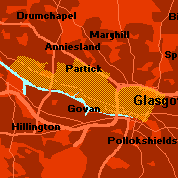
Glasgow Kelvin includes a substantial part of the former Glasgow Hillhead constituency, won by Roy Jenkins for the SDP in a tightly fought by-election in 1982. One reason for this can be found in those areas of Glasgow's west end, which is home to much of what can be seen as Glasgow's liberal professional classes. However, there are also traditional working-class areas in Partick and Scotstoun and the constituency has since reverted to Labour as the subsequent Liberal Democrat challenge has receded. MP George Galloway should remain safe in the face of an opposition that seems increasingly split three ways between the SNP, Conservative and Lib Dem candidates.
|
|

|

|

|

|

|
|

|
524
|
2.86
|
9.03
|
32
|
|

|
546
|
2.98
|
11.17
|
27
|
|

|
212
|
1.16
|
11.25
|
10
|
|

|
641
|
3.49
|
14.70
|
24
|
|

|
8,128
|
44.29
|
10.45
|
424
|
|

|
196
|
1.07
|
2.81
|
38
|
|

|
3,695
|
20.14
|
8.01
|
251
|
|

|
263
|
1.43
|
15.25
|
9
|
|

|
0
|
0.00
|
7.13
|
0
|
|

|
4,145
|
22.59
|
10.17
|
222
|
|
|

