
|
|
|
Hampstead and Highgate


|

|
gain
from Labour
|

|
Glenda Jackson
|

|
0 ( 0.0%)
|

|
11,991 (27.2%)
|

|
25,275 (57.4%)
|

|
5,481 (12.4%)
|

|
0 ( 0.0%)
|

|
1,284 ( 2.9%)
|

|
|

|
64,889
|

|
44,031 (67.9%)
|


|
Glenda Jackson
|

|
Hampstead and Highgate
|

|
2,477 ( 5.4%)
|

|
18,582 (40.8%)
|

|
21,059 (46.2%)
|

|
5,028 (11.0%)
|

|
0 ( 0.0%)
|

|
900 ( 2.0%)
|
|
|
Labour
|

|
62,954
|

|
45,569 (72.4%)
|
|


|
-13.5%
|

|
+11.2%
|

|
+1.4%
|

|
+0.0%
|

|
+0.9%
|

|
+3.1%
|

|
-4.5%
|
|

|
|
|
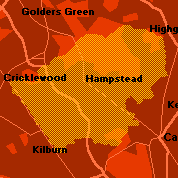
Hampstead and Highgate, set on London's affluent and trendy northern hills, saw one of the most interesting battles of the 1992 general election - or at least, one of those that attracted the most media attention. A large part of the reason for the glare of publicity was that the Labour candidate, who gained the seat from the Tories, was a celebrity, the actress Glenda Jackson. Also, few parts of London have so clear or well-publicised an image as a haven of fashionable middle-class radicalism as 'Ham and High'.
Glenda Jackson is likely to win more easily this time. Not only is it true that Hampstead and Highgate is both largely middle-class but of a radical nature, but it does have working-class enclaves, and in the limited boundary changes this section is strengthened as the Labour-inclined Gospel Oak ward is added from Holborn and St Pancras.
|
|
|

|

|

|

|

|

|
|

|
5,134
|
12.83
|
9.03
|
142
|
|

|
596
|
1.49
|
11.17
|
13
|
|

|
0
|
0.00
|
11.25
|
0
|
|

|
0
|
0.00
|
14.70
|
0
|
|

|
24,881
|
62.19
|
10.45
|
595
|
|

|
0
|
0.00
|
2.81
|
0
|
|

|
856
|
2.14
|
8.01
|
27
|
|

|
0
|
0.00
|
15.25
|
0
|
|

|
115
|
0.29
|
7.13
|
4
|
|

|
7,838
|
19.59
|
10.17
|
193
|
|
|
