
|
|
|
Jarrow


|

|
gain
from Labour
|

|
Don Dixon (Retiring)
|

|
0 ( 0.0%)
|

|
6,564 (14.9%)
|

|
28,497 (64.9%)
|

|
4,865 (11.1%)
|

|
0 ( 0.0%)
|

|
4,016 ( 9.1%)
|

|
|

|
63,828
|

|
43,942 (68.8%)
|


|
Don Dixon (Retiring)
|

|
Jarrow
|

|
18,735 (39.1%)
|

|
11,243 (23.4%)
|

|
29,978 (62.5%)
|

|
6,749 (14.1%)
|

|
0 ( 0.0%)
|

|
0 ( 0.0%)
|
|
|
Labour
|

|
65,577
|

|
47,970 (73.2%)
|
|


|
-8.5%
|

|
+2.4%
|

|
-3.0%
|

|
+0.0%
|

|
+9.1%
|

|
-2.7%
|

|
-4.3%
|
|
|
|
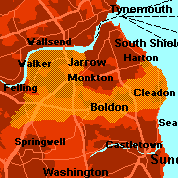
Jarrow, on the south bank of the River Tyne, is remembered for the famous 'hunger march' on London during the 1930s depression. From the battered river-front districts to the large council estates, unemployment remains above the national average to this day. There are pockets of more well-to-do private housing, but overall Jarrow remains staunchly Labour.
|
|

|

|

|

|

|
|

|
2,042
|
5.71
|
9.03
|
63
|
|

|
1,472
|
4.11
|
11.17
|
37
|
|

|
2,742
|
7.66
|
11.25
|
68
|
|

|
5,532
|
15.46
|
14.70
|
105
|
|

|
175
|
0.49
|
10.45
|
5
|
|

|
0
|
0.00
|
2.81
|
0
|
|

|
1,175
|
3.28
|
8.01
|
41
|
|

|
11,486
|
32.10
|
15.25
|
211
|
|

|
5,192
|
14.51
|
7.13
|
204
|
|

|
5,967
|
16.68
|
10.17
|
164
|
|
|


