
|
|
|
Kingswood


|

|
gain
from Conservative
|

|
Roger Berry
|

|
0 ( 0.0%)
|

|
17,928 (29.9%)
|

|
32,181 (53.7%)
|

|
7,672 (12.8%)
|

|
0 ( 0.0%)
|

|
2,106 ( 3.5%)
|

|
|

|
77,026
|

|
59,887 (77.7%)
|


|
Roger Berry
|

|
Kingswood
|

|
3,340 ( 5.2%)
|

|
29,562 (45.8%)
|

|
26,222 (40.6%)
|

|
8,771 (13.6%)
|

|
0 ( 0.0%)
|

|
0 ( 0.0%)
|
|
|
Conservative
|

|
76,320
|

|
64,555 (84.6%)
|
|


|
-15.9%
|

|
+13.1%
|

|
-0.8%
|

|
+0.0%
|

|
+3.5%
|

|
+0.9%
|

|
-6.8%
|
|

|
|
|
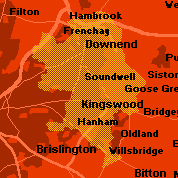
Kingswood is set in the eastern suburbs of the West Country's largest city, Bristol. Since it was created in 1974, it has been regarded as very marginal. The major parties have won Kingswood three times each. The Conservatives won from 1979 to 1987, Labour in both 1974 elections and in 1992. However, further boundary changes create a complication in the parties' calculations for the 1997 contest.
The seat used to stretch into the city of Bristol itself, the St George's wards. Now those 17,000 voters have been removed and replaced with 19,000 very different electors, from the very edge of the conurbation and beyond, around Oldland. These were formerly in the safe Tory Wansdyke seat. The effect of the changes is this: if they had been in force in 1992, the Tories would have won by over 3,000 rather than losing by over 2,000.
This means that the Labour victor then, one of the more active members of the 1992 intake, Dr Roger Berry, must win this seat all over again, with a swing of 3 per cent, in some unfamiliar territory. He will only do so if Labour win the general election itself.
|
|
|

|

|

|

|

|

|
|

|
324
|
0.76
|
9.03
|
8
|
|

|
4,877
|
11.51
|
11.17
|
103
|
|

|
9,543
|
22.52
|
11.25
|
200
|
|

|
11,119
|
26.24
|
14.70
|
178
|
|

|
719
|
1.70
|
10.45
|
16
|
|

|
0
|
0.00
|
2.81
|
0
|
|

|
3,765
|
8.89
|
8.01
|
111
|
|

|
9,671
|
22.83
|
15.25
|
150
|
|

|
1,590
|
3.75
|
7.13
|
53
|
|

|
300
|
0.71
|
10.17
|
7
|
|
|
