
|
|
|
Mitcham and Morden


|

|
gain
from Conservative
|

|
Dame Angela Rumbold
|

|
0 ( 0.0%)
|

|
14,243 (29.7%)
|

|
27,984 (58.4%)
|

|
3,632 ( 7.6%)
|

|
0 ( 0.0%)
|

|
2,087 ( 4.4%)
|

|
|

|
65,385
|

|
47,946 (73.3%)
|


|
Dame Angela Rumbold
|

|
Mitcham and Morden
|

|
1,734 ( 3.4%)
|

|
23,789 (46.5%)
|

|
22,055 (43.1%)
|

|
4,687 ( 9.2%)
|

|
0 ( 0.0%)
|

|
655 ( 1.3%)
|
|
|
Conservative
|

|
61,603
|

|
51,186 (83.1%)
|
|


|
-16.8%
|

|
+15.3%
|

|
-1.6%
|

|
+0.0%
|

|
+3.1%
|

|
+6.1%
|

|
-9.8%
|
|

|
|
|
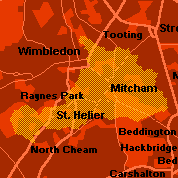
One of Labour's main targets in London is Mitcham and Morden. This seat in the Borough of Merton is a classic marginal whose history has been distorted by unusual events that occurred nearly two decades ago.
When it was first created in 1974, Mitcham and Morden looked like a Labour-inclined seat. In consists of unfashionable and unglamorous suburbs in the heart of south London's outer sprawl. Indeed Bruce Douglas-Mann did hold the seat for Labour in the first three General Elections (1974-79). Then Douglas-Mann defected to the SDP - but unlike all the other defectors, he did the noble thing, resigned and fought a by-election. The result was a Conservative gain for Angela Rumbold - the last time the Tories have actually picked up a seat in a by-election; this was in 1982, 15 years ago!
Angela Rumbold held on through the next three Conservative general election triumphs, but suffered from the general negative swing in London in 1992, when Siobhain McDonagh slashed her majority to 1,734. This could easily be overturned by the same Labour challenger in 1997.
|
|
|

|

|

|

|

|

|
|

|
0
|
0.00
|
9.03
|
0
|
|

|
706
|
1.85
|
11.17
|
17
|
|

|
4,846
|
12.70
|
11.25
|
113
|
|

|
621
|
1.63
|
14.70
|
11
|
|

|
16,130
|
42.27
|
10.45
|
405
|
|

|
0
|
0.00
|
2.81
|
0
|
|

|
2,230
|
5.84
|
8.01
|
73
|
|

|
4,316
|
11.31
|
15.25
|
74
|
|

|
4,296
|
11.26
|
7.13
|
158
|
|

|
4,740
|
12.42
|
10.17
|
122
|
|
|
