
|
|
|
Scarborough and Whitby


|

|
gain
from Conservative
|

|
John Sykes
|

|
0 ( 0.0%)
|

|
19,667 (36.2%)
|

|
24,791 (45.6%)
|

|
7,672 (14.1%)
|

|
0 ( 0.0%)
|

|
2,191 ( 4.0%)
|

|
|

|
75,862
|

|
54,321 (71.6%)
|


|
John Sykes
|

|
Scarborough
|

|
11,734 (19.9%)
|

|
29,334 (49.8%)
|

|
17,600 (29.9%)
|

|
11,133 (18.9%)
|

|
0 ( 0.0%)
|

|
876 ( 1.5%)
|
|
|
Conservative
|

|
76,273
|

|
58,943 (77.3%)
|
|


|
-13.6%
|

|
+15.8%
|

|
-4.8%
|

|
+0.0%
|

|
+2.5%
|

|
-0.5%
|

|
-5.7%
|
|

|
|
|
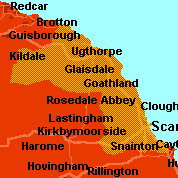
The seat centred on Scarborough has, since the 1960s, included both Pickering and Whitby, just Pickering, and now, just Whitby. None of these changes seems to have had much effect on the size of the Conservative vote which has hovered around 50 per cent. Meanwhile, the balance of the non-Conservative challenge seems to have swung from the former Liberals to Labour. In an area where tourism, fishing and agriculture have traditionally predominated, the two first of these have encountered considerable difficulties in recent years and there has been local concern about holiday accommodation switching to housing for those on benefit. However any consequential adverse effects on the Conservative vote has not, so far, been significant. Any sudden change in the constituency's traditional loyalties would be earth-shattering, but the party's hold may steadily slip.
|
|
|

|

|

|

|

|

|
|

|
2,006
|
4.80
|
9.03
|
53
|
|

|
9,704
|
23.23
|
11.17
|
208
|
|

|
2,884
|
6.90
|
11.25
|
61
|
|

|
2,645
|
6.33
|
14.70
|
43
|
|

|
1,179
|
2.82
|
10.45
|
27
|
|

|
2,018
|
4.83
|
2.81
|
172
|
|

|
9,030
|
21.61
|
8.01
|
270
|
|

|
7,674
|
18.37
|
15.25
|
120
|
|

|
895
|
2.14
|
7.13
|
30
|
|

|
2,967
|
7.10
|
10.17
|
70
|
|
|
