
|
|
|
Slough


|

|
gain
from Labour
|

|
John Watts
|

|
0 ( 0.0%)
|

|
13,958 (29.2%)
|

|
27,029 (56.6%)
|

|
3,509 ( 7.4%)
|

|
0 ( 0.0%)
|

|
3,236 ( 6.8%)
|

|
|

|
70,283
|

|
47,732 (67.9%)
|


|
John Watts
|

|
Slough
|

|
36 ( 0.1%)
|

|
23,544 (44.0%)
|

|
23,580 (44.1%)
|

|
3,841 ( 7.2%)
|

|
0 ( 0.0%)
|

|
2,500 ( 4.7%)
|
|
|
Labour
|

|
69,450
|

|
53,465 (77.0%)
|
|


|
-14.8%
|

|
+12.5%
|

|
+0.2%
|

|
+0.0%
|

|
+2.1%
|

|
+1.2%
|

|
-9.1%
|
|

|
|
|
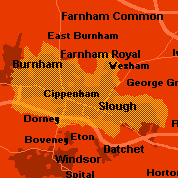
For many people the name Slough evokes the image of one of the few unsightly 'red' enclaves in Home Counties true-blue suburbia. They are probably thinking of the vast inter-war industrial estates along the Great West Road that inspired the poet John Betjeman to implore 'Come, friendly bombs, and fall on Slough' in the 1930s; of large council estates; and of the large Asian population (the constituency is 28 per cent non-white). However, Slough has actually elected a Conservative MP since it was awarded a constituency of its own in 1983.
This seems likely to come to an end very soon. Boundary changes make the seat even more marginal than it was before, and John Watts only won by 514 votes in 1992 - and that when an 'Independent Labour' candidate took 699 himself. Watts has given a good indication of his expectations by migrating to a safer seat in Reading. We cannot but agree with his assessment.
|
|
|

|

|

|

|

|

|
|

|
533
|
1.31
|
9.03
|
15
|
|

|
345
|
0.85
|
11.17
|
8
|
|

|
4,684
|
11.51
|
11.25
|
102
|
|

|
4,480
|
11.01
|
14.70
|
75
|
|

|
19,540
|
48.02
|
10.45
|
460
|
|

|
0
|
0.00
|
2.81
|
0
|
|

|
3,739
|
9.19
|
8.01
|
115
|
|

|
5,690
|
13.98
|
15.25
|
92
|
|

|
341
|
0.84
|
7.13
|
12
|
|

|
1,241
|
3.05
|
10.17
|
30
|
|
|
