
|
|
|
Sunderland South


|

|
gain
from Labour
|

|
Chris Mullin
|

|
0 ( 0.0%)
|

|
7,536 (18.9%)
|

|
27,174 (68.1%)
|

|
4,606 (11.5%)
|

|
0 ( 0.0%)
|

|
609 ( 1.5%)
|

|
|

|
67,937
|

|
39,925 (58.8%)
|


|
Chris Mullin
|

|
Sunderland South
|

|
14,123 (28.2%)
|

|
14,706 (29.3%)
|

|
28,829 (57.5%)
|

|
5,933 (11.8%)
|

|
0 ( 0.0%)
|

|
690 ( 1.4%)
|
|
|
Labour
|

|
72,010
|

|
50,158 (69.7%)
|
|


|
-10.4%
|

|
+10.6%
|

|
-0.3%
|

|
+0.0%
|

|
+0.1%
|

|
-5.7%
|

|
-10.9%
|
|

|
|
|
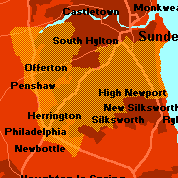
When the coal and shipbuilding industries went into terminal decline, the economy of Sunderland in the North East of England, went with them. Since then, the whole city, with its two seats, has been a Labour citadel. Yet once, from 1953-64, its marginal southern constituency was held by the Tories, albeit narrowly. But the Boundary Commissioners broke up the substantial middle-class residential area south-west of the city centre in 1983, and there is a long-term regional swing to the Labour Party - the result is that Sunderland South is now a safe Labour seat that will easily re-elect Labour's Chris Mullin. It is unlikely to be a marginal ever again.
|
|

|

|

|

|

|
|

|
1,108
|
3.00
|
9.03
|
33
|
|

|
2,865
|
7.76
|
11.17
|
70
|
|

|
2,487
|
6.74
|
11.25
|
60
|
|

|
4,771
|
12.93
|
14.70
|
88
|
|

|
1,648
|
4.47
|
10.45
|
43
|
|

|
0
|
0.00
|
2.81
|
0
|
|

|
2,200
|
5.96
|
8.01
|
74
|
|

|
7,567
|
20.51
|
15.25
|
135
|
|

|
5,022
|
13.61
|
7.13
|
191
|
|

|
9,135
|
24.76
|
10.17
|
244
|
|
|

