
|
|
|
Tottenham


|

|
Lab gain
from Labour
|

|
Bernie Grant
|

|
0 ( 0.0%)
|

|
5,921 (15.7%)
|

|
26,121 (69.3%)
|

|
4,064 (10.8%)
|

|
0 ( 0.0%)
|

|
1,598 ( 4.2%)
|

|
Lab
|

|
66,173
|

|
37,704 (57.0%)
|


|
Bernie Grant
|

|
Tottenham
|

|
11,968 (26.7%)
|

|
13,341 (29.8%)
|

|
25,309 (56.5%)
|

|
5,120 (11.4%)
|

|
0 ( 0.0%)
|

|
1,053 ( 2.3%)
|
|
|
Labour
|

|
70,198
|

|
44,823 (63.9%)
|
|


|
-14.1%
|

|
+12.8%
|

|
-0.6%
|

|
+0.0%
|

|
+1.9%
|

|
-5.7%
|

|
-6.9%
|
|

|
|
|
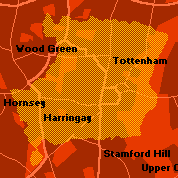
Haringey is a long, thin London borough, stretching all the way from the edge of upper-crust Hampstead Heath in the West to the industrial and working class valley of the river Lea in the East. Tottenham has been regarded as a safe Labour seat for many years.
In 1983 boundary changes brought half of the abolished seat of Wood Green into the Tottenham constituency, and the MP Norman Atkinson served for four more years before the local party controversially selected Bernie Grant, the black leader of Haringey Council who had entered the demonology of the right following the remarks he made after the Broadwater Farm riots of autumn 1985.
At the 1992 general election, Grant benefited from a 9 per cent swing to Labour, increasing the majority of just over 4,000 to a more satisfactory 12,000. There were two reasons for this: Grant proved not to be the ogre originally portrayed by the right and Labour performed well in borough elections.
Tottenham is a very cosmopolitan constituency with nearly 40 per cent of the population non-white, mostly Afro-Caribbean. Despite challenges from ethnic candidates in the other parties, Bernie Grant is now well set to continue his career in the Commons.
|
|
|

|

|

|

|

|

|
|

|
0
|
0.00
|
9.03
|
0
|
|

|
0
|
0.00
|
11.17
|
0
|
|

|
0
|
0.00
|
11.25
|
0
|
|

|
0
|
0.00
|
14.70
|
0
|
|

|
23,453
|
58.13
|
10.45
|
556
|
|

|
0
|
0.00
|
2.81
|
0
|
|

|
120
|
0.30
|
8.01
|
4
|
|

|
768
|
1.90
|
15.25
|
12
|
|

|
1,263
|
3.13
|
7.13
|
44
|
|

|
14,483
|
35.90
|
10.17
|
353
|
|
|
