
|
|
|
Vale of Glamorgan


|

|
gain
from Conservative
|

|
Walter Sweeney
|

|
0 ( 0.0%)
|

|
18,522 (34.4%)
|

|
29,054 (53.9%)
|

|
4,945 ( 9.2%)
|

|
1,393 ( 2.6%)
|

|
0 ( 0.0%)
|

|
|

|
67,213
|

|
53,914 (80.2%)
|


|
Walter Sweeney
|

|
Vale of Glamorgan
|

|
19 ( 0.0%)
|

|
24,207 (44.3%)
|

|
24,188 (44.3%)
|

|
5,042 ( 9.2%)
|

|
1,159 ( 2.1%)
|

|
0 ( 0.0%)
|
|
|
Conservative
|

|
67,152
|

|
54,596 (81.3%)
|
|


|
-10.0%
|

|
+9.6%
|

|
-0.1%
|

|
+0.5%
|

|
+0.0%
|

|
+0.1%
|

|
-1.1%
|
|

|
|
|
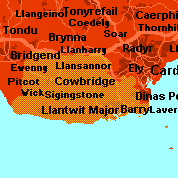
The closest result of any recorded in the 1992 general election was that of the Vale of Glamorgan in South Wales. The Conservative Walter Sweeney regained the seat, which had been lost to Labour in a by-election in May 1989, by just 19 votes. Yet the very fact that the 1992 result was still affected by the occurrence of that disrupting event, a by-election, means that it is not actually the Tories' most vulnerable seat in Britain. It would be a surprise, but not as great a one as people might think, if they were to hold on (presumably with an increased majority!) next time.
There is a solid base of Labour support in the constituency's largest town, Barry, but much of the rest consists of affluent soft south Glamorgan territory around comfortable communities such as Cowbridge, Llantwit Major, and Peterson-super-Ely. In the last election unaffected by the special considerations surrounding a by-election, which was in 1987, the Conservatives won here by 6,000 votes. Labour still has work to do to win the Vale for a full term.
|
|
|

|

|

|

|

|

|
|

|
6,061
|
15.79
|
9.03
|
175
|
|

|
4,266
|
11.11
|
11.17
|
99
|
|

|
3,606
|
9.39
|
11.25
|
84
|
|

|
9,274
|
24.16
|
14.70
|
164
|
|

|
1,413
|
3.68
|
10.45
|
35
|
|

|
674
|
1.76
|
2.81
|
62
|
|

|
2,832
|
7.38
|
8.01
|
92
|
|

|
4,664
|
12.15
|
15.25
|
80
|
|

|
1,730
|
4.51
|
7.13
|
63
|
|

|
3,757
|
9.79
|
10.17
|
96
|
|
|
