
|
|
|
Watford


|

|
gain
from Conservative
|

|
Tristan Garel-Jones
|

|
0 ( 0.0%)
|

|
19,227 (34.8%)
|

|
25,019 (45.3%)
|

|
9,272 (16.8%)
|

|
0 ( 0.0%)
|

|
1,718 ( 3.1%)
|

|
|

|
74,015
|

|
55,236 (74.6%)
|


|
Tristan Garel-Jones
|

|
Watford
|

|
8,263 (14.1%)
|

|
28,159 (48.1%)
|

|
19,896 (34.0%)
|

|
9,807 (16.8%)
|

|
0 ( 0.0%)
|

|
673 ( 1.1%)
|
|
|
Conservative
|

|
72,192
|

|
58,535 (81.1%)
|
|


|
-13.3%
|

|
+11.3%
|

|
+0.0%
|

|
+0.0%
|

|
+2.0%
|

|
+2.5%
|

|
-6.5%
|
|

|
|
|
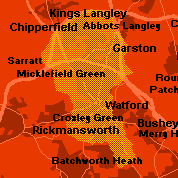
Watford was for years after the last war the safest, and occasionally the only, Labour seat in booming Hertfordshire. With the growth of the New Towns, like Stevenage and Welwyn, in the area, it ceased to be the largest town in Herts and its Labour dominance vanished. When, in 1979, the Labour MP Raphael Tuck retired, his successor Tony Banks (now a Newham MP) was defeated by Tristan Garel Jones for the Tories. Assisted by boundary changes, he has been there ever since. The latest changes favour neither side, and Labour's only hope of taking Watford is a sizeable 8 per cent swing.
|
|

|

|

|

|

|
|

|
4,591
|
10.83
|
9.03
|
120
|
|

|
2,822
|
6.66
|
11.17
|
60
|
|

|
8,611
|
20.31
|
11.25
|
181
|
|

|
7,968
|
18.80
|
14.70
|
128
|
|

|
8,633
|
20.37
|
10.45
|
195
|
|

|
0
|
0.00
|
2.81
|
0
|
|

|
3,975
|
9.38
|
8.01
|
117
|
|

|
2,065
|
4.87
|
15.25
|
32
|
|

|
1,037
|
2.45
|
7.13
|
34
|
|

|
1,902
|
4.49
|
10.17
|
44
|
|
|

