
|
|
|
Wigan


|

|
gain
from Labour
|

|
Roger Stott
|

|
0 ( 0.0%)
|

|
7,400 (16.9%)
|

|
30,043 (68.6%)
|

|
4,390 (10.0%)
|

|
0 ( 0.0%)
|

|
1,986 ( 4.5%)
|

|
|

|
64,689
|

|
43,819 (67.7%)
|


|
Roger Stott
|

|
Wigan
|

|
17,490 (35.3%)
|

|
12,538 (25.3%)
|

|
30,028 (60.6%)
|

|
5,787 (11.7%)
|

|
0 ( 0.0%)
|

|
1,173 ( 2.4%)
|
|
|
Labour
|

|
65,629
|

|
49,526 (75.5%)
|
|


|
-8.4%
|

|
+7.9%
|

|
-1.7%
|

|
+0.0%
|

|
+2.2%
|

|
-1.4%
|

|
-7.7%
|
|

|
|
|
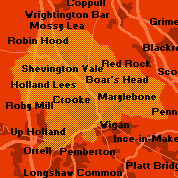
Wigan, in Southern Lancashire, has been stereotyped as a pit of working-class and industrial poverty since the 1930s when George Orwell immortalised it in The Road to Wigan Pier. But much has changed since then, and a historic dependence on coal mining has been replaced by a variety of new industries. Wigan may have blossomed, but it remembers old allegiances and remains a Labour stronghold - a conservative outlook, but never, ever, a Conservative one. The only change here is that Labour's Roger Stott may see his large five-figure majority (over the Tories - the Lib Dems come a poor third) ever so slightly reduced by boundary changes.
|
|

|

|

|

|

|
|

|
1,981
|
5.39
|
9.03
|
60
|
|

|
1,854
|
5.04
|
11.17
|
45
|
|

|
5,313
|
14.45
|
11.25
|
128
|
|

|
5,557
|
15.11
|
14.70
|
103
|
|

|
0
|
0.00
|
10.45
|
0
|
|

|
89
|
0.24
|
2.81
|
9
|
|

|
2,298
|
6.25
|
8.01
|
78
|
|

|
10,811
|
29.40
|
15.25
|
193
|
|

|
3,784
|
10.29
|
7.13
|
144
|
|

|
4,941
|
13.44
|
10.17
|
132
|
|
|

