
|
|
|
Winchester


|

|
gain
from Conservative
|

|
Gerry Malone
|

|
0 ( 0.0%)
|

|
26,098 (42.1%)
|

|
6,528 (10.5%)
|

|
26,100 (42.1%)
|

|
0 ( 0.0%)
|

|
3,328 ( 5.4%)
|

|
|

|
78,884
|

|
62,054 (78.7%)
|


|
Gerry Malone
|

|
Winchester
|

|
9,318 (14.8%)
|

|
32,604 (51.7%)
|

|
4,734 ( 7.5%)
|

|
23,286 (36.9%)
|

|
0 ( 0.0%)
|

|
2,468 ( 3.9%)
|
|
|
Conservative
|

|
75,123
|

|
63,092 (84.0%)
|
|


|
-9.6%
|

|
+3.0%
|

|
+5.2%
|

|
+0.0%
|

|
+1.5%
|

|
+5.0%
|

|
-5.3%
|
|

|
|
|
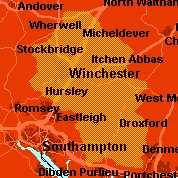
Winchester, once the capital of Anglo-Saxon Britain, seems as Conservative as they come. Surrounded by rural Hampshire, itself a mass of Tory blue surrounding the key Labour marginals in Southampton, it has a renowned cathedral, a major public school and one of the lowest unemployment rates in Britain. Yet sitting Tory MP Gerard Malone enjoys only a four-figure majority over the Lib Dems. This oddity is due to the unpopularity of Winchester's MP from 1979 to 1992, John Browne. After retiring from the Conservative Party, Browne then stood against Malone in 1992 as an Independent Conservative. In the event, Malone avoided a potentially disastrous split vote and slightly increased his majority. Boundary changes merely shuffle some Tory voters in and some out, and he should have no trouble this time.
|
|
|

|

|

|

|

|

|
|

|
9,995
|
24.08
|
9.03
|
267
|
|

|
7,965
|
19.19
|
11.17
|
172
|
|

|
2,375
|
5.72
|
11.25
|
51
|
|

|
6,946
|
16.73
|
14.70
|
114
|
|

|
1,098
|
2.65
|
10.45
|
25
|
|

|
3,383
|
8.15
|
2.81
|
290
|
|

|
4,602
|
11.09
|
8.01
|
138
|
|

|
2,567
|
6.18
|
15.25
|
41
|
|

|
525
|
1.26
|
7.13
|
18
|
|

|
1,114
|
2.68
|
10.17
|
26
|
|
|
