
|
|
|
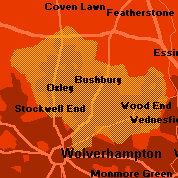
Wolverhampton North East


|

|
gain
from Labour
|

|
Ken Purchase
|

|
0 ( 0.0%)
|

|
11,547 (27.9%)
|

|
24,534 (59.3%)
|

|
2,214 ( 5.3%)
|

|
0 ( 0.0%)
|

|
3,108 ( 7.5%)
|

|
|

|
61,642
|

|
41,403 (67.2%)
|


|
Ken Purchase
|

|
Wolverhampton North East
|

|
3,747 ( 7.6%)
|

|
20,528 (41.4%)
|

|
24,275 (49.0%)
|

|
3,657 ( 7.4%)
|

|
0 ( 0.0%)
|

|
1,087 ( 2.2%)
|
|
|
Labour
|

|
63,383
|

|
49,547 (78.2%)
|
|


|
-13.5%
|

|
+10.3%
|

|
-2.0%
|

|
+0.0%
|

|
+5.3%
|

|
-2.7%
|

|
-11.0%
|
|

|
|
|
Although it was once a safe West Midlands Labour seat, the largely white skilled and semi-skilled workers of Wolverhampton North East responded to Mrs Thatcher's political appeal by reducing veteran MP Renee Short's majority to a paper-thin 214 in 1983. On her retirement, this by now marginal seat flipped over the line, voting in Tory Maureen Hicks by a mere 204 votes. In 1992, all of Wolverhampton swung back to Labour, and they retook North East. This, however, was at the expense of the Lib Dems, and the Tory vote held steady. Though still classified as a Labour marginal, North East should be kind to Labour's Ken Purchase this time, particularly given the party's Blairite remake.
|
|

|

|

|

|

|
|

|
0
|
0.00
|
9.03
|
0
|
|

|
519
|
1.45
|
11.17
|
13
|
|

|
3,369
|
9.43
|
11.25
|
84
|
|

|
5,401
|
15.13
|
14.70
|
103
|
|

|
3,285
|
9.20
|
10.45
|
88
|
|

|
79
|
0.22
|
2.81
|
8
|
|

|
637
|
1.78
|
8.01
|
22
|
|

|
8,357
|
23.40
|
15.25
|
153
|
|

|
4,024
|
11.27
|
7.13
|
158
|
|

|
10,038
|
28.11
|
10.17
|
277
|
|
|

