
|
|
|
City of York


|

|
gain
from Labour
|

|
Hugh Bayley
|

|
0 ( 0.0%)
|

|
14,433 (24.7%)
|

|
34,956 (59.9%)
|

|
6,537 (11.2%)
|

|
0 ( 0.0%)
|

|
2,419 ( 4.1%)
|

|
|

|
79,383
|

|
58,345 (73.5%)
|


|
Hugh Bayley
|

|
York
|

|
6,342 ( 9.9%)
|

|
25,183 (39.3%)
|

|
31,525 (49.1%)
|

|
6,811 (10.6%)
|

|
0 ( 0.0%)
|

|
638 ( 1.0%)
|
|
|
Labour
|

|
79,127
|

|
64,157 (81.1%)
|
|


|
-14.5%
|

|
+10.8%
|

|
+0.6%
|

|
+0.0%
|

|
+3.2%
|

|
+0.3%
|

|
-7.6%
|
|
|
|
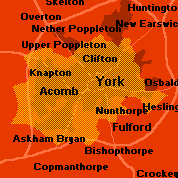
The City of York's economy was previously centred on railway engineering and the confectionery industry, but it is now more of a retail and tourist theme park. Historically a very marginal seat, Labour has strengthened its position as the city's traditional industrial base has been eroded. Labour's Hugh Bayley won York from the Conservatives in 1992 with a substantial swing, and will expect to retain the seat on the basis of current projections.
|
|

|

|

|

|

|
|

|
571
|
1.26
|
9.03
|
14
|
|

|
3,858
|
8.50
|
11.17
|
76
|
|

|
5,130
|
11.30
|
11.25
|
100
|
|

|
7,199
|
15.86
|
14.70
|
108
|
|

|
1,943
|
4.28
|
10.45
|
41
|
|

|
0
|
0.00
|
2.81
|
0
|
|

|
13,531
|
29.80
|
8.01
|
372
|
|

|
6,726
|
14.81
|
15.25
|
97
|
|

|
1,766
|
3.89
|
7.13
|
55
|
|

|
3,641
|
8.02
|
10.17
|
79
|
|
|


