
|
|
|
Blyth Valley


|

|
gain
from Labour
|

|
Ronnie Campbell
|

|
0 ( 0.0%)
|

|
5,666 (13.3%)
|

|
27,276 (64.2%)
|

|
9,540 (22.5%)
|

|
0 ( 0.0%)
|

|
0 ( 0.0%)
|

|
|

|
61,761
|

|
42,482 (68.8%)
|


|
Ronnie Campbell
|

|
Blyth Valley
|

|
8,044 (16.3%)
|

|
7,691 (15.6%)
|

|
24,542 (49.9%)
|

|
16,498 (33.5%)
|

|
0 ( 0.0%)
|

|
470 ( 1.0%)
|
|
|
Labour
|

|
61,313
|

|
49,201 (80.2%)
|
|


|
-2.3%
|

|
+14.3%
|

|
-11.1%
|

|
+0.0%
|

|
-1.0%
|

|
+0.7%
|

|
-11.5%
|
|

|
|
|
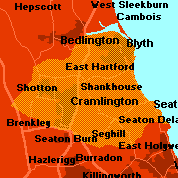
The Blyth seat embraces not only traditional mining and dockyard areas around Blyth itself, but also the rapidly growing Newcastle satellite of Cramlington. The seat has a curious history, Blyth Valley having been held briefly in 1974 by Labour renegade, Eddie Milne, as 'Independent Labour'. Labour won the seat back but subsequent centrist challenges, first from the Social Democrats and more recently the Liberal Democrats, have seen the Conservative vote squeezed into third place. This should still be safe Labour territory, but the third-party intervention does make for curious interest.
|
|

|

|

|

|

|
|

|
692
|
1.99
|
9.03
|
22
|
|

|
1,048
|
3.02
|
11.17
|
27
|
|

|
5,135
|
14.79
|
11.25
|
132
|
|

|
11,601
|
33.42
|
14.70
|
227
|
|

|
189
|
0.54
|
10.45
|
5
|
|

|
0
|
0.00
|
2.81
|
0
|
|

|
1,294
|
3.73
|
8.01
|
47
|
|

|
8,552
|
24.63
|
15.25
|
162
|
|

|
2,205
|
6.35
|
7.13
|
89
|
|

|
3,944
|
11.36
|
10.17
|
112
|
|
|

