
|
|
|
Bristol West


|

|
gain
from Conservative
|

|
William Waldegrave
|

|
0 ( 0.0%)
|

|
20,575 (32.8%)
|

|
22,068 (35.2%)
|

|
17,551 (28.0%)
|

|
0 ( 0.0%)
|

|
2,447 ( 3.9%)
|

|
|

|
84,870
|

|
62,641 (73.8%)
|


|
William Waldegrave
|

|
Bristol West
|

|
9,494 (16.0%)
|

|
26,850 (45.1%)
|

|
13,900 (23.4%)
|

|
17,356 (29.2%)
|

|
0 ( 0.0%)
|

|
1,371 ( 2.3%)
|
|
|
Conservative
|

|
77,906
|

|
59,477 (76.3%)
|
|


|
-12.3%
|

|
+11.9%
|

|
-1.2%
|

|
+0.0%
|

|
+1.6%
|

|
+8.9%
|

|
-2.5%
|
|

|
|
|
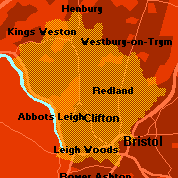
The most upper-class and elegant section of the West Country's largest city is represented by a Cabinet Minister of aristocratic descent, William Waldegrave. It includes many of the city's finest residential areas, such as the elegant terraces of Clifton, the mansions of Sneyd Park, and the solidly middle-class Stoke Bishop. Yet Bristol West has not been rock solid for Waldegrave in recent elections. In 1992 the Tories obtained scarcely over 40 per cent of the vote in West, and benefited from a fairly even division of the opposition between the Liberal Democrats (second) and Labour (third). Even so, Waldegrave's majority was only 6,000.
Now, though, help is at hand. The very safe Tory ward of Westbury on Trym is brought in from the marginal Bristol NW (making the Conservative task there almost impossible). This should add about 3,500 to Waldegrave's majority, and the closer contest may well be for second place here.
|
|
|

|

|

|

|

|

|
|

|
6,635
|
15.75
|
9.03
|
174
|
|

|
9,157
|
21.74
|
11.17
|
195
|
|

|
203
|
0.48
|
11.25
|
4
|
|

|
1,130
|
2.68
|
14.70
|
18
|
|

|
17,558
|
41.68
|
10.45
|
399
|
|

|
0
|
0.00
|
2.81
|
0
|
|

|
2,999
|
7.12
|
8.01
|
89
|
|

|
958
|
2.27
|
15.25
|
15
|
|

|
459
|
1.09
|
7.13
|
15
|
|

|
1,491
|
3.54
|
10.17
|
35
|
|
|
