
|
|
|
Middlesbrough South and Cleveland East


|

|
gain
from Conservative
|

|
Michael Bates
|

|
0 ( 0.0%)
|

|
18,712 (34.9%)
|

|
29,319 (54.7%)
|

|
4,004 ( 7.5%)
|

|
0 ( 0.0%)
|

|
1,552 ( 2.9%)
|

|
|

|
70,481
|

|
53,587 (76.0%)
|


|
Michael Bates
|

|
Langbaurgh
|

|
1,401 ( 2.5%)
|

|
25,802 (45.8%)
|

|
24,401 (43.3%)
|

|
6,163 (10.9%)
|

|
0 ( 0.0%)
|

|
0 ( 0.0%)
|
|
|
Conservative
|

|
69,836
|

|
56,366 (80.7%)
|
|


|
-10.9%
|

|
+11.4%
|

|
-3.5%
|

|
+0.0%
|

|
+2.9%
|

|
+0.9%
|

|
-4.7%
|
|

|
|
|
An unwieldy name to follow an unpronounceable one. This is not actually a new constituency, but very similar to the previous Langbaurgh seat, which was a critical marginal, changing hands twice in 1991 and 1992.
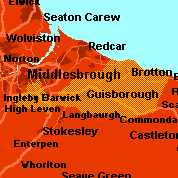
At least this long name gives people a better idea of where the constituency is and what it comprises. About half of the electorate is set in the southern part of the north-eastern industrial town of Middlesbrough, which was created by the steel boom of the Industrial Revolution. The other half comes from a chain of smaller communities (such as Guisborough, Saltburn and Loftus) around the Cleveland hills - themselves the source of iron that fuelled Middlesbrough's steel industry. Both elements include both Conservative and Labour strongholds. They add up to provide close contests; Ashok Kumar won the Langbaurgh by-election for Labour in 1991, fairly narrowly, and lost by just 1,564 votes to his Conservative opponent Michael Bates in the general election the following year. In 1997 the two men will be matched again; round three of this particular fight remains a toss-up.
|
|
|

|

|

|

|

|

|
|

|
2,770
|
7.27
|
9.03
|
80
|
|

|
3,115
|
8.17
|
11.17
|
73
|
|

|
5,266
|
13.82
|
11.25
|
123
|
|

|
9,088
|
23.85
|
14.70
|
162
|
|

|
0
|
0.00
|
10.45
|
0
|
|

|
90
|
0.24
|
2.81
|
8
|
|

|
2,794
|
7.33
|
8.01
|
92
|
|

|
4,753
|
12.47
|
15.25
|
82
|
|

|
3,947
|
10.36
|
7.13
|
145
|
|

|
6,192
|
16.25
|
10.17
|
160
|
|
|
