
|
|
|
Portsmouth South


|

|
gain
from Conservative
|

|
David Martin
|

|
0 ( 0.0%)
|

|
16,094 (31.1%)
|

|
13,086 (25.3%)
|

|
20,421 (39.5%)
|

|
0 ( 0.0%)
|

|
2,094 ( 4.1%)
|

|
|

|
80,514
|

|
51,695 (64.2%)
|


|
David Martin
|

|
Portsmouth South
|

|
242 ( 0.5%)
|

|
22,798 (42.5%)
|

|
7,857 (14.6%)
|

|
22,556 (42.0%)
|

|
0 ( 0.0%)
|

|
440 ( 0.8%)
|
|
|
Conservative
|

|
77,258
|

|
53,651 (69.4%)
|
|


|
-11.4%
|

|
+10.7%
|

|
-2.5%
|

|
+0.0%
|

|
+3.2%
|

|
+4.2%
|

|
-5.2%
|
|

|
|
|
There were a number of constituencies in which the 1992 general election result was an almost exact replay of that five years before in 1987. However, very few of them were in critical marginal seats, and few can have been as heartbreaking for the loser as Portsmouth South. In 1987 David Martin (ironically the man who had failed to hold a vacant Yeovil against Paddy Ashdown in 1987) ousted Mike Hancock, who had gained South for the SDP Alliance in a by-election in 1984. Martin won by just 205 votes. In 1992 Hancock (now a Liberal Democrat) was again a challenging candidate; this time Martin increased his margin of victory to a princely 242.
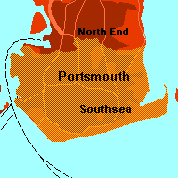
Now, in 1997, Hancock tries against Martin for the third time, in this densely populated urban constituency in the old naval port, which also includes Portsmouth's seaside resort area, Southsea. Hancock must hope that there will be a national Conservative decline, and that this will result in Liberal Democrat votes rather than an increase in the Labour support. Only if these two conditions apply will he be able to avoid a third disappointment in Portsmouth South.
|
|
|

|

|

|

|

|

|

|

|
205
|
0.45
|
9.03
|
5
|
|

|
1,070
|
2.35
|
11.17
|
21
|
|

|
406
|
0.89
|
11.25
|
8
|
|

|
11,705
|
25.76
|
14.70
|
175
|
|

|
4,702
|
10.35
|
10.45
|
99
|
|

|
0
|
0.00
|
2.81
|
0
|
|

|
16,757
|
36.88
|
8.01
|
460
|
|

|
3,331
|
7.33
|
15.25
|
48
|
|

|
349
|
0.77
|
7.13
|
11
|
|

|
5,452
|
12.00
|
10.17
|
118
|
|
|
