
|
|
|
Stockton South


|

|
gain
from Conservative
|

|
Tim Devlin
|

|
0 ( 0.0%)
|

|
17,205 (33.0%)
|

|
28,790 (55.2%)
|

|
4,721 ( 9.1%)
|

|
0 ( 0.0%)
|

|
1,400 ( 2.7%)
|

|
|

|
68,470
|

|
52,116 (76.1%)
|


|
Tim Devlin
|

|
Stockton South
|

|
4,896 ( 9.4%)
|

|
23,331 (45.0%)
|

|
18,435 (35.6%)
|

|
10,080 (19.4%)
|

|
0 ( 0.0%)
|

|
0 ( 0.0%)
|
|
|
Conservative
|

|
65,354
|

|
51,846 (79.3%)
|
|


|
-12.0%
|

|
+19.7%
|

|
-10.4%
|

|
+0.0%
|

|
+2.7%
|

|
+4.8%
|

|
-3.2%
|
|

|
|
|
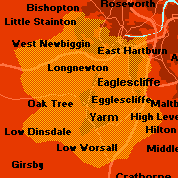
In 1992 the Conservative majority in Stockton South on the River Tees increased from 774 to 3,369, and the Tory share of the vote went up by over 10 per cent. How can we explain this very aberrant result?
Firstly, it should be recalled that the previous MP for Stockton South, Ian Wrigglesworth, as one of the few defectors to the SDP who actually won in 1983, nearly did so in 1987. In 1992 the former Alliance vote collapsed from 34 per cent to 15 per cent, just about the biggest drop of any party anywhere in the country. Both the Conservatives and Labour benefited from picking up these loose votes. Secondly, this rather middle-class seat, which includes the affluent west end of Stockton on Tees and a variety of desirable residential areas outside the town is still moving up-scale, with the development of up-market private estates in places like Ingleby Barwick - the sort of area a Brazilian footballer playing for Middlesbrough FC might be put up.
The minor boundary changes improve the Tory MP Tim Devlin's position still further, and Labour will do well to achieve the 5 per cent swing required to conquer one of the North of England's more attractive residential seats.
|
|
|

|

|

|

|

|

|
|

|
2,504
|
6.63
|
9.03
|
73
|
|

|
3,626
|
9.60
|
11.17
|
86
|
|

|
7,259
|
19.22
|
11.25
|
171
|
|

|
10,326
|
27.34
|
14.70
|
186
|
|

|
752
|
1.99
|
10.45
|
19
|
|

|
467
|
1.24
|
2.81
|
44
|
|

|
1,701
|
4.50
|
8.01
|
56
|
|

|
4,993
|
13.22
|
15.25
|
87
|
|

|
1,628
|
4.31
|
7.13
|
60
|
|

|
4,406
|
11.66
|
10.17
|
115
|
|
|
