
|
|
|
Birmingham Hall Green


|

|
gain
from Conservative
|

|
Andrew Hargreaves
|

|
0 ( 0.0%)
|

|
13,952 (33.4%)
|

|
22,372 (53.5%)
|

|
4,034 ( 9.6%)
|

|
0 ( 0.0%)
|

|
1,461 ( 3.5%)
|

|
|

|
58,767
|

|
41,819 (71.2%)
|


|
Andrew Hargreaves
|

|
Birmingham Hall Green
|

|
3,665 ( 7.8%)
|

|
21,649 (46.1%)
|

|
17,984 (38.3%)
|

|
7,342 (15.6%)
|

|
0 ( 0.0%)
|

|
0 ( 0.0%)
|
|
|
Conservative
|

|
60,916
|

|
46,975 (77.1%)
|
|


|
-12.7%
|

|
+15.2%
|

|
-6.0%
|

|
+0.0%
|

|
+3.5%
|

|
-3.5%
|

|
-6.0%
|
|

|
|
|
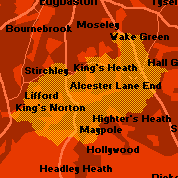
Unlike other large cities like Manchester and Liverpool, Birmingham still does have a couple of Conservative constituencies within its boundaries. However, both Edgbaston and Hall Green, which have never fallen to Labour, not even in landslide years like 1966, seem vulnerable. Hall Green is the less safe of these two, and it would go Labour on a swing of 4 per cent.
Hall Green consists of three of Birmingham's huge wards, all situated near the southern edge of the city: Hall Green itself, Billesley and Brandwood. These are predominantly 20th-century owner-occupied areas, not quite so classically developed as the mansions of Edgbaston nearer to the centre of the city; but it would still represent a seismic shift, and of course a first, should the seat be captured by Labour.
|
|

|

|

|

|

|
|

|
957
|
2.97
|
9.03
|
33
|
|

|
4,074
|
12.65
|
11.17
|
113
|
|

|
8,326
|
25.86
|
11.25
|
230
|
|

|
2,423
|
7.52
|
14.70
|
51
|
|

|
1,475
|
4.58
|
10.45
|
44
|
|

|
0
|
0.00
|
2.81
|
0
|
|

|
586
|
1.82
|
8.01
|
23
|
|

|
5,652
|
17.55
|
15.25
|
115
|
|

|
4,245
|
13.18
|
7.13
|
185
|
|

|
4,449
|
13.82
|
10.17
|
136
|
|
|

