
|
|
|
Swindon North


|

|
gain
from Labour
|

|
NEW SEAT
|

|
0 ( 0.0%)
|

|
16,341 (33.9%)
|

|
24,029 (49.8%)
|

|
6,237 (12.9%)
|

|
0 ( 0.0%)
|

|
1,663 ( 3.4%)
|

|
|

|
65,535
|

|
48,270 (73.7%)
|


|
NEW SEAT
|

|
NEW SEAT
|

|
882 ( 1.8%)
|

|
20,391 (40.9%)
|

|
21,273 (42.7%)
|

|
7,299 (14.6%)
|

|
0 ( 0.0%)
|

|
879 ( 1.8%)
|
|
|
Labour
|

|
64,530
|

|
49,842 (77.2%)
|
|


|
-7.1%
|

|
+7.1%
|

|
-1.7%
|

|
+0.0%
|

|
+1.7%
|

|
+1.6%
|

|
-3.6%
|
|

|
|
|
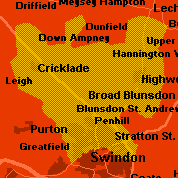
The seat of Swindon in north-east Wiltshire was heavily oversized by the time of the 1992 election, when the Conservative Simon Coombs held on by less than 3,000 votes. It was inevitable that this former railway town, now a rapidly growing high-tech centre in the M4 corridor, would be split in some way by the Boundary Commission, which reported in 1995. The only question was - what would be the political consequences?
North Swindon takes in most of the wards of the former Swindon seat along a line roughly drawn along the main railway track, together with the northern wards of Thamesdown borough, formerly in the county seat of Devizes, such as Stratton St Margaret and Highworth. This is undoubtedly the better half of Swindon for Labour, as endorsed by the MP Simon Coombs, who has opted to contest the South Swindon seat. Indeed despite the semi-rural territory included with the Swindon wards such as Gorse Hill and Moredon, Labour will probably start favourites to win their first seat in Swindon since 1983.
|
|
|

|

|

|

|

|

|
|

|
974
|
2.64
|
9.03
|
29
|
|

|
3,236
|
8.76
|
11.17
|
78
|
|

|
6,210
|
16.81
|
11.25
|
149
|
|

|
8,362
|
22.64
|
14.70
|
154
|
|

|
1,803
|
4.88
|
10.45
|
47
|
|

|
1,092
|
2.96
|
2.81
|
105
|
|

|
4,893
|
13.25
|
8.01
|
165
|
|

|
5,414
|
14.66
|
15.25
|
96
|
|

|
1,889
|
5.11
|
7.13
|
72
|
|

|
2,810
|
7.61
|
10.17
|
75
|
|
|
