
|
|
|
Dover


|

|
David Shaw
|

|
17,796
|

|
29,535
|

|
4,302
|

|
0
|

|
443
|

|
|
|
|

|

|
Dover
|

|
25,443
|

|
24,583
|

|
6,234
|

|
0
|

|
1,422
|
|
|
Conservative
|
|
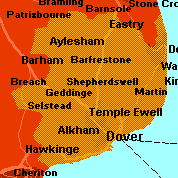
There are currently no Labour seats out of any of the 17 in the populous south-eastern county of Kent. This is very likely to change at the next election. If it does, the most likely constituency to be gained is Dover.
At the 1992 election Labour made considerable advances in the Dover seat, mainly by squeezing the Liberal Democrat share in third place, but failed to oust the voluble Conservative MP David Shaw, who held on by 833 votes. The seat's boundaries have not been changed for the next election, which means that Labour only need a swing of three-quarters of 1 per cent to take it; it is number 13 on their national target list, which means that they could actually gain it, yet still fail to become the largest party or form a government.
Besides the characteristics of Dover as an active working port, the seat also includes the remnants of the defunct Kent coalfield around Aylesham and the Mill Hill sector of Deal. These are the Labour strongholds. In return, other parts of the coast, including the rest of the town of Deal are better for the Tories. It is a mixed and heterogeneous seat, and the contest here will be tough and even bitter.
|
|
|

|

|

|

|

|

|
|

|
755
|
1.86
|
9.03
|
21
|
|

|
9,446
|
23.26
|
11.17
|
208
|
|

|
4,226
|
10.41
|
11.25
|
93
|
|

|
7,169
|
17.65
|
14.70
|
120
|
|

|
1,222
|
3.01
|
10.45
|
29
|
|

|
678
|
1.67
|
2.81
|
59
|
|

|
5,872
|
14.46
|
8.01
|
180
|
|

|
7,653
|
18.84
|
15.25
|
124
|
|

|
1,047
|
2.58
|
7.13
|
36
|
|

|
1,798
|
4.43
|
10.17
|
44
|
|
|
